The journal
Articles
Reading the spaces we live in. Honest, practical, no mysticism.

A Home That Holds You: The Idea Behind Geopathy
What does it mean for a home to support a life? A warm, reflective look at the simple idea behind geopathy and why gentle attention is how you get there.

Warmth Underfoot: Rugs, Floors, and Comfort
The floor you stand and step on shapes a room's comfort more than you notice. Here is where a rug earns its keep and how flooring changes how a home feels.
Clutter Hot Spots and the Drop Zone by the Door
The pile by the door is not a discipline failure, it is a design signal. Work with the natural drop zone so keys, mail, and bags finally have a home.

The Front Door and the Face Your Home Shows
The approach and front door greet you and every guest before a word is spoken. Small touches at the threshold make arriving home feel genuinely good.

Desire Paths: What the Worn Grass Is Trying to Tell You
The dirt trails worn across a lawn are a landscape telling you something true about itself. Your home has its own desire paths, if you look down and read them.
Why Every Culture Has Rules About Where to Put Your Bed
Feng shui, vastu, European folk tradition: nearly every culture developed rules for bed placement. Taken together, they point at something real.

Dowsing Isn't Magic. It's a Way of Paying Attention to Your Home
Strip away the mystique and dowsing looks like something familiar: a slow, deliberate way of noticing a space before you decide how to live in it.

Starting a Geopathy Practice in a Single Weekend
A friendly two-day plan to walk, note, and gently adjust your home for the first time. No tools, no jargon, just attention and a few small changes.

An Introduction to Geopathic Theory and Environmental Wellness
True well-being is a dialogue between your biology and your environment. An introduction to reading the spaces you live in, and the three pillars of spatial alignment.

Why Some Rooms Go Unused and How to Win Them Back
Every home has a room nobody uses. Usually it is a light, warmth, or purpose problem, and each one has a gentle, practical fix. Here is how to win it back.

The Body as an Instrument for Reading a Room
Before any tool or theory, your own comfort, breath, and posture tell you how a space feels. Here is how to trust the instrument you already carry.

The Television and the Focus of the Living Room
Should the TV be the center of your living room or share the stage? A calm guide to deciding what your main gathering space is really for.

Move the Charging Station Away From the Bed
One small change, charging your phone outside the bedroom, quietly reshapes your evenings and mornings. Here is why the single move works so well.
Screens and the Bedroom Boundary
The bedroom asks for a softer relationship with screens. Here is a workable line on phones and glowing rectangles in the room where you sleep.

Thresholds and the Small Ceremony of Arriving
Crossing your own doorway is a natural moment to shift gears. Learn to honor the threshold so coming home feels like genuinely arriving somewhere.

The Sunday Reset
A gentle weekly pass through your home that restores order and readies the week ahead, without turning into a full-day deep clean. Calm, not scrubbing.
Seasonal Rhythms in the Home
A home feels most alive when it moves with the year. Simple seasonal shifts in light, textiles, and use keep your rooms in tune with the world outside.
Your Video Call Background and the Light on Your Face
You do not need a ring light or a green screen. Learn to arrange window light and a calm backdrop so you look present and grounded on any video call.
The End of Workday Ritual at Home
Without a commute, the workday never quite ends. A small closing ritual can tell your body and your home that the job is done for the day.
Separating Work and Rest When You Work From Home
When the office is your home, work can quietly flood every room. Here is how to keep the job in its lane so rest still feels like real rest.
Setting Up a Work From Home Corner
Most homes were never built for work. Here is how to carve out a real, dedicated work corner using light, orientation, and a few clear boundaries.

Temporary Fixes Every Renter Can Make
You can meaningfully improve a rental without losing your deposit. Removable fixes for light, air, sound, and layout that make a borrowed space feel like home.

Day and Night Modes for a Studio Apartment
Turn one studio room into two rooms in time. A simple day mode and night mode built from light, textiles, and a few movable pieces, no renovation required.
Zoning a Small Space by Light and Use
A one-room home can still have real areas for work, rest, and eating. Learn to zone by light and use instead of walls, so each corner knows its job.

Geopathy for Renters
You do not need to own a place to tune it. Here is everything a renter can do with layout, light, and soft goods to make a rented space feel like home.

The Neighborhood Walk Before You Commit
A home is only as good as the streets around it. Walking the neighborhood before you commit reveals the sound, light, and daily life a viewing never shows.

Orientation and Aspect When Buying a Home
Which way a home faces shapes its light and warmth in every room, every day. Here is how to read orientation and aspect before you decide to buy.

How a House Feels on the Second Visit
A first viewing shows a home at its best. A return visit at a different hour reveals the light, noise, and mood the first walk-through quietly hid from you.

What to Notice When Viewing a Home
Listing photos flatter every room. Bring this calm checklist of light, air, sound, and feel to a viewing and you will read a home the camera cannot show you.
The Land Your House Sits On
Your home is only part of your home. Getting curious about the slope, drainage, trees, and history of your plot changes how you live on the land it sits on.
A Bench Where You Will Actually Sit
Most garden benches go unused because of where they sit, not how they look. Learn to place seating by light, shelter, and view so it earns its keep.
Finding Your Sit Spot in the Garden
Returning to one outdoor spot again and again teaches you the land in a way no survey can. Here is how to choose a sit spot and let it change you slowly.
The Threshold Between House and Garden
The doorway to your garden decides whether you ever go out. Small changes at the threshold turn the outdoors from a view into a place you actually use.
Reading Your Garden Like Another Room
Your garden keeps records of sun, wind, and habit just like your living room. Learn to read those quiet signals and arrange the outdoors to be lived in.
The View From Your Window and Why It Matters
The view from your window is part of the room, not just a gap in the wall. Small ways to notice, frame, and gently improve whatever you look out on.
Choosing Houseplants Room by Room
Plants thrive when they match a room's light and humidity. A room-by-room guide to picking houseplants that flourish instead of struggling on your sill.
Bringing a Little of the Garden Indoors
A few cut stems, some foliage, and a pot or two keep a thread of the outdoors running through your rooms. Simple ways to bring the garden inside all year.
Natural Materials and the Texture of a Home
Wood, stone, linen, and clay give a home a texture you feel underhand and underfoot. Simple ways to bring more natural material into everyday rooms.

Accent Color and Giving a Room a Focal Point
One considered accent gives the eye somewhere to rest. Learn how to use a single focal color well instead of scattering bright spots around a room.
Warm and Cool Palettes and the Mood of a Room
The temperature of a color quietly sets a room's mood before you notice. Here is how warm and cool palettes work and how to pick a direction with confidence.

Choosing Paint by How a Room Is Actually Used
Pick paint by how you live in a room, not by a trend swatch. A practical way to let purpose and real light choose color for you with confidence.

The Hum of Appliances and the Background of Home
Your home hums in a dozen small voices you stopped hearing years ago. A gentle guide to noticing the background drone and deciding what to quiet.

Shared Walls and Getting Along With Noise
You cannot silence a shared wall, but you can soften your side of it. Practical, renter-friendly ways to live better with the sound of neighbors.

White Noise Versus Real Quiet
White noise can rescue a light sleeper or quietly add to the load. Here is how to tell which your room actually needs before you buy a machine.

Creating One Genuinely Quiet Corner
You do not need a silent house, just one low noise spot to reset in. Here is how to find or make a single genuinely quiet corner in a busy home.
Mapping the Sound in Your Home
Every home has a soundscape you have stopped hearing. Walk your rooms to notice the sounds you tuned out and learn what they reveal about each space.

The Overstuffed Closet and Daily Friction
A jammed closet adds a small dose of stress to every single morning. Here is how that friction works and a low effort way to ease it without a full overhaul.
Sentimental Objects and Where to Place Them
Meaningful things deserve better than being crammed onto a shelf. Here is how to give sentimental objects a proper place so they feel honored, not cluttered.

The Junk Drawer and What It Tells You
The household junk drawer is not a failure of tidiness. It is honest data about the gaps in your storage and habits. Here is how to read it and act on it.
Clearing Your Flat Surfaces
Counters, tables, and shelves collect clutter faster than anywhere else in a home. Here is why flat surfaces fill up and how clearing them quiets a whole room.
The One In, One Out Habit
A single quiet rule keeps a home from silting up over the years: for every new thing that comes in, one thing leaves. Here is how to use it without going rigid.

Does This Belong Here? A Gentle Question for Every Room
One quiet question can reorganize a whole home: does this object belong in the room it sits in? Here is how to use it, room by room, without a big purge.

Decluttering as a Form of Spatial Attention
Tidying is usually framed as getting rid of things. It works better as noticing what a space is actually for. Here is how to declutter by paying attention.
The Spare Room That Quietly Collects Everything
The guest room slowly becomes a dumping ground for everything without a home. Here is why it happens and how to give the room a real purpose again.

Stairs and the Rhythm of Moving Through a Home
Stairs and landings shape the daily flow of a house more than we notice. Here are small ways to make them feel safer, calmer, and better to travel.
The Dining Table and the Habit of Sitting Together
The dining table quietly becomes a clutter shelf and a screen zone. Here is how to reclaim it so people actually sit down and eat together again.

Hallways, Landings, and the Spaces in Between
We treat hallways and landings as dead zones to hurry through. Here is how small touches turn those in-between spaces into ones that feel intentional.
The Bathroom as a Small Restorative Room
The most used small room can feel like a place to reset. Here is how light, order, and a little care turn a plain bathroom into a quiet retreat.

Where to Put Your Desk in a Home Office
Desk placement shapes your whole workday. Here is how to set one up for a view of the door, good light, and fewer distractions, even in a tight room.

The Kitchen as the Heart of the Home
People gather in kitchens no matter how you plan it. Here is how to arrange one so the cook faces the room and stays part of the gathering.
Arranging a Living Room for Gathering
Most living rooms are aimed at the TV instead of at each other. Here is how to turn the seating so the room invites people to talk again.
The Entryway and the Feeling of Arriving Home
The first few feet inside your door quietly set the tone for the whole home. Here is how to treat the entryway as a transition worth designing.

Wabi-Sabi and the Beauty of an Imperfect Home
Wabi-sabi is the art of loving a home that is worn and real. Here is how to stop chasing the showroom and let your rooms feel honestly lived in.

Hygge and the Geopathy of a Cozy Home
Hygge is less a style than a way of paying attention to warmth, light, and gathering. Here is how to read your home and make it quietly cozy.

Ma and the Japanese Love of Empty Space
Ma is the Japanese idea of meaningful emptiness. See how a little deliberate breathing room, not more stuff, can change the whole feel of a home.
What Geopathy Borrows From Biophilic Design
Biophilic design is the modern idea of designing with nature. See how it overlaps with reading a home's light, air, and view, and what geopathy borrows from it.

Feng Shui, Vastu, and Geopathy: How They Differ
Feng shui, vastu, and geopathy are three ways of arranging a home. Here is a respectful look at how they differ and the shared instinct underneath all of them.

Keeping a Home Journal
Jot small notes about how your rooms feel at different times, and patterns you would never catch in a single moment surface over weeks. Here is how to keep one.

The Slow Walk Through Your Own House
A deliberate, phone-free walk of every room breaks the autopilot and lets you actually see where you live. Here is how to do it and what tends to surface.

Mapping Your Home on Paper
Sketch a simple floor plan and mark where you linger, avoid, and feel settled. A hand-drawn map of your home reveals patterns you cannot see while living inside them.

The Pendulum as a Focusing Tool
A pendulum is a way to slow down and notice a room, not a fortune teller. Here is the ideomotor effect explained plainly and how to use one with honest expectations.

A Beginner's Guide to Dowsing Rods
Dowsing rods are a focusing tool, not an oracle. Learn how to make and hold simple rods, walk a room slowly, and use them to notice your home more honestly.

Basements and Below Grade Rooms: Making Them Feel Alive
A below grade room does not have to feel like storage. Here is how to bring light, air, and warmth underground so a basement becomes a place you want to be.
The Sound of Water and a Sense of Calm
From a garden trickle to a tabletop fountain, moving water settles a room. Here is why it soothes and how to use it well, without gimmicks or clutter.

Condensation on the Windows: What It's Telling You
Morning fog on the glass is not a flaw, it is feedback about your home's air, heat, and ventilation. Learn to read it and the simple ways to respond.
Reading Damp in Your Home Before It Becomes a Problem
Moisture leaves small clues long before it turns into damage. Learn to read the early signs of damp as attention practice, and when to call a professional.
Humidity and Comfort: Finding the Sweet Spot at Home
Air that is too dry or too damp changes how every room feels. Here are the signs to read and gentle ways to nudge your home toward comfortable humidity.
Houseplants and Paying Closer Attention to a Room
A houseplant will not purify your home, but it gives you a daily reason to read the light, air, and moisture in a room. That attention is the real gift.

Bathroom Damp and the Value of Airflow
Steam that never leaves is what turns a bathroom sour. Here is how a fan, a squeegee, and an open window keep the room sweet and dry after every shower.

Kitchen Ventilation and the Smell of Yesterday's Cooking
Last night's dinner should not still be hanging in the air. Learn how the hood, a window, and good timing keep a kitchen smelling clean and fresh.
Your Bedroom Air Overnight
A closed bedroom slowly fills with warm, used air by morning. Here is why a cracked window or open door leaves a sleeping room feeling fresher at dawn.

The Ten Minute Airing Habit
Borrowed from northern Europe, a daily ten minute window-opening ritual resets the air in your home. Here is when to do it and why it feels so good.
Stale Air in the Home Office and the Afternoon Slump
That mid-afternoon fog at your desk may be the room, not just you. Here is how a closed office goes heavy and a short airing habit clears your head.
Cross Ventilation: The Simplest Way to Freshen a Room
Learn how opposing windows move air through a room and how to arrange furniture so nothing blocks the path to a fresher, lighter home.
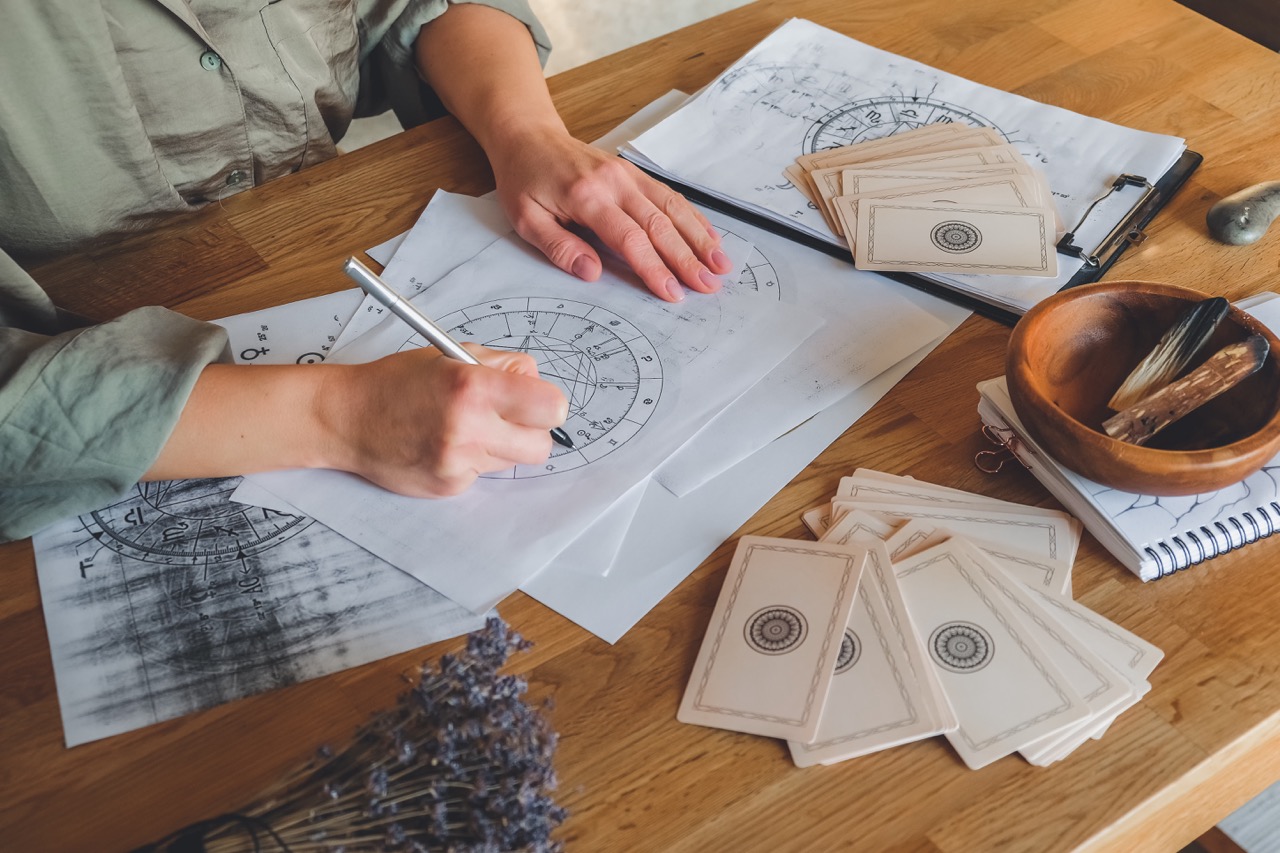
Candlelight and the Pleasure of Slow Evenings
A single flame changes a room and an evening. Here is the quiet wonder of candlelight, a small ritual for ending the day, and the basic safety sense that keeps it easy.
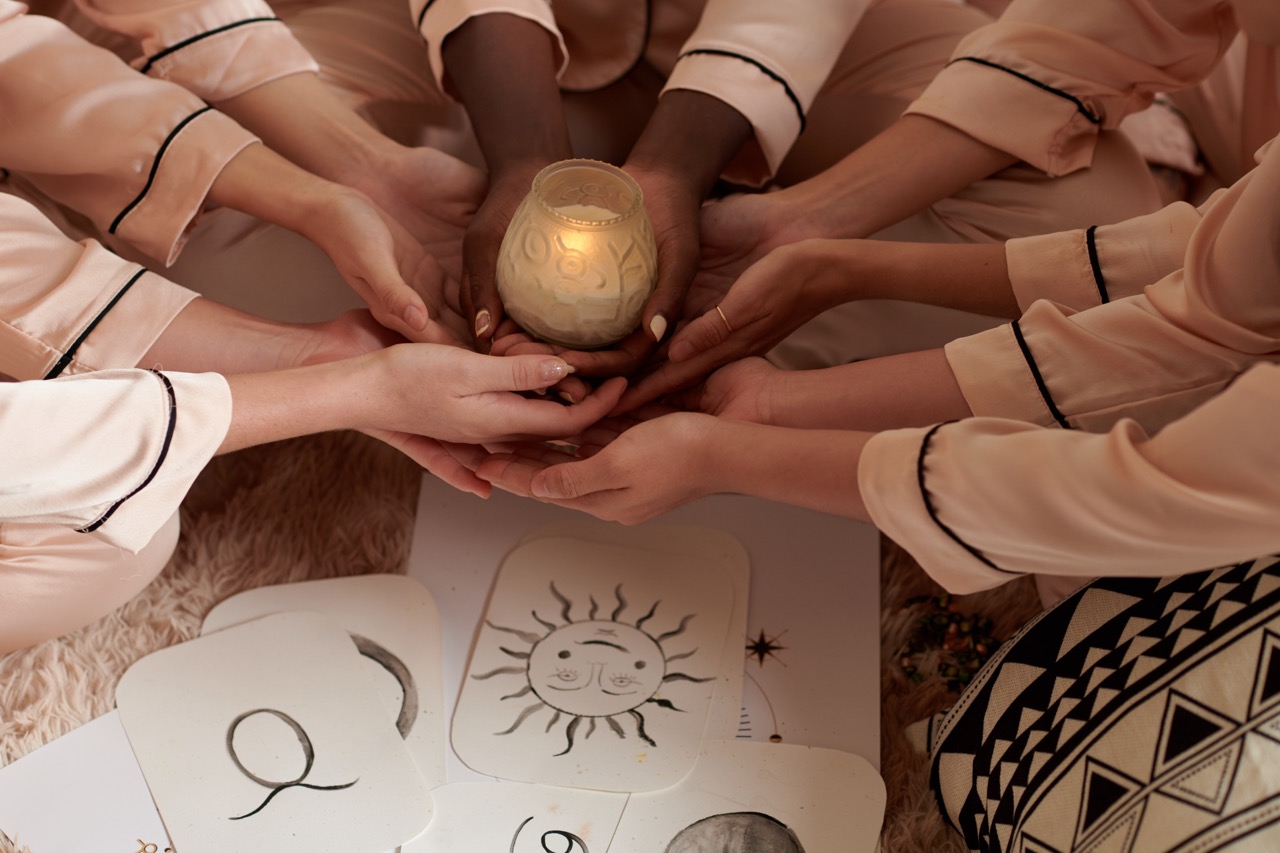
Keeping Your Spirits Up Through a Dark Season at Home
When the days grow short, a few thoughtful changes bring more light and warmth into the home. Practical, gentle ways to make the dark season feel cozy rather than heavy.

Building a Reading Nook by a Window
The best reading nook is not built from scratch. It is found, in the spot that already catches good light, and turned into a chair you actually want to use.
Warm or Cool Bulbs: Choosing Light That Fits the Room
Color temperature sounds technical, but it is simply the difference between candle glow and daylight. Here is a plain guide to which rooms want warm, neutral, or cool light.
Layered Lighting Instead of One Bright Bulb
A single overhead bulb flattens a room into a waiting area. Here is how three layers of light, ambient, task, and accent, bring a space back to life.
Evening Light and the Art of Winding Down
Dimming and warming your home after dark quietly cues the body toward rest. Here is how lamps and low light turn the last hours of the day into a gentle landing.
A Morning Light Routine for a Better Day
Getting real daylight into your eyes early is one of the simplest ways to feel steadier. Here is how to build a morning light routine using the windows you already have.
Taming Glare in a South Facing Room
A south-facing room is a gift of light, until the glare takes over. Here is how sheers, plants, and smart furniture placement keep a bright room usable all day.
Making the Most of a North Facing Room
North light is steady, cool, and shadowless, a quiet gift once you know what it is best for and how to warm it up on the days it feels a little flat.
Circadian Light: A Room by Room Walk Through Your Home
Match each room's light to the hour you use it, from a bright breakfast kitchen to an amber-soft bedroom, and your home starts keeping better time with you.
Designing a Calm Bedroom for a Child
Simple bed placement, soft light, and low clutter help a child feel safe and settle at night. Here is how to do it gently, without turning it into a project.
The Bedside Table Audit
Your nightstand holds the last thing you see at night and the first each morning. Here is a five-minute audit to make it work for your rest, not against it.
Mirrors in the Bedroom: A Calm and Practical Take
Traditions dislike a mirror facing the bed. Here are the ordinary reasons, startle, reflected light, and clutter, plus calmer placements that actually work.
Bedroom Color and the Feeling of Rest
Choose bedroom color by how the room is used, not by trend. Here is why muted, grounded tones help you wind down, and how to test swatches at night.
What You Store Under Your Bed and Why It Matters
Clear space beneath the bed is a quiet calm-mind practice. Here is what to keep there if anything, and a simple way to reclaim the space you already have.
Blackout Curtains or Morning Light: Choosing for Your Bedroom
Total darkness helps you sleep, but a natural dawn cue helps you wake. Here is how to weigh the trade-off and layer window treatments to get both.
Electronics in the Bedroom and the Quality of Your Rest
Standby lights, chargers, and the TV at the foot of the bed are small sources of alertness. Here is a calm, unhurried way to relocate them for better rest.
Sleeping With Your Feet to the Door: The Old Rule Explained
Folk tradition calls feet-to-the-door the coffin position. Here is the practical unease it maps onto and a simple test for whether your own bed triggers it.
Why a Solid Wall Behind Your Headboard Changes How You Sleep
A headboard against a solid wall feels different from one under a window or floating in space. Here is the felt reason, plus fixes when the room fights you.
The Command Position: A Practical Guide for Your Bedroom
Place your bed so you can see the door without lying in line with it. Here is why the command position settles you, plus fixes for awkward rooms.